Difference Traditional Massage Therapy vs Trager Approach
— Sonya Granel
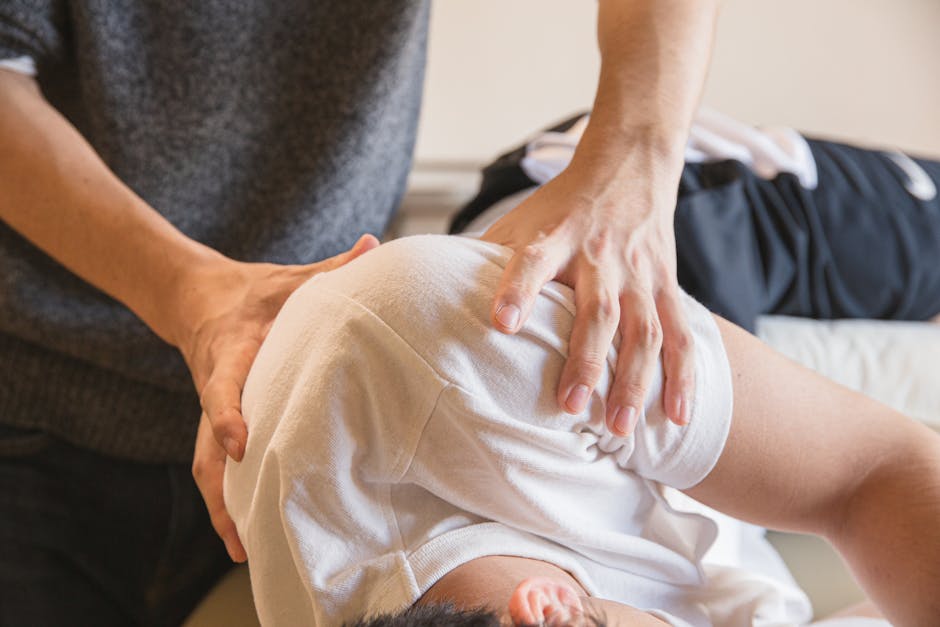
The difference between traditional massage therapy and the Trager approach constitutes an essential question for anyone seeking to optimize their physical and mental well-being. These two therapeutic methods, while having similar goals of relaxation and healing, differ considerably in their philosophy and application techniques.
Understanding these distinctions will allow you to make an informed choice according to your specific needs. Traditional massage therapy focuses primarily on direct manipulation of muscle tissues, while the Trager approach favors more subtle work centered on movement and body awareness.
This guide will accompany you step by step to identify the unique characteristics of each method and determine which best corresponds to your therapeutic objectives.
Understanding traditional massage therapy
Traditional massage therapy represents the collection of classic massage techniques developed over the centuries. This approach is characterized by direct and targeted manipulations of the body's soft tissues.
Main techniques of traditional massage therapy
Practitioners use various standardized techniques:
- Effleurage: long, gliding movements to warm the tissues
- Petrissage: compression and kneading of muscles
- Friction: deep circular movements
- Tapotement: rhythmic percussions to stimulate
- Vibration: rapid trembling to relax
These techniques follow established protocols and are applied with generally firm to strong pressure. The main objective consists of treating specific muscle tensions and improving blood circulation.
Structure of a traditional session
A traditional massage therapy session usually follows a predictable progression of 60 to 90 minutes. The therapist first evaluates areas of tension, then applies appropriate techniques according to a logical sequence ranging from superficial movements to deeper manipulations.
The Trager approach explained
The Trager approach, developed by Dr. Milton Trager, constitutes a unique psycho-physical method that distinguishes itself radically from conventional massage therapy. This technique favors the quality of touch and movement awareness rather than mechanical force.
Fundamental principles of Trager
The Trager philosophy rests on several key concepts:
- Hook-up: state of total presence of the practitioner
- Passive movements: gentle and rhythmic mobilizations
- Quality of touch: light and non-intrusive contact
- Mentastics: self-care exercises for the client
The Trager practitioner never imposes force on the tissues. He rather uses oscillatory movements, rocking, and gentle stretches to invite the body to release its tensions naturally.
Course of a Trager session
A typical Trager session lasts between 60 and 90 minutes. The practitioner begins by establishing their "hook-up," then explores tension patterns through exploratory movements. Each gesture adapts to the unique responses of the client's body, creating an entirely personalized experience.
Fundamental technical differences
The difference between traditional massage therapy and the Trager approach is clearly observed in their respective application techniques.
Pressure and intensity
Traditional massage therapy generally employs moderate to strong pressure to penetrate deep muscle layers. Therapists use the force of their hands, forearms, and sometimes elbows to untie tensions.
The Trager approach, in contrast, exclusively uses light and non-invasive touch. The pressure remains constantly gentle, favoring the energetic quality of contact rather than mechanical intensity.
Nature of movements
The movements also differ significantly:
- Traditional massage therapy: linear movements, standardized techniques, predetermined sequences
- Trager approach: fluid, oscillatory movements, adaptive according to bodily responses
Approach to pain
Traditional massage therapy often accepts a certain level of discomfort as part of the therapeutic process, particularly for deep massages. The Trager approach completely avoids pain, considering that the body defends itself against unpleasant sensations.
Comparison of benefits and applications
Both methods offer distinct advantages according to individual needs and conditions to be treated.
Benefits of traditional massage therapy
This approach excels particularly for:
- Rapid relief of localized muscle tensions
- Improvement of blood and lymphatic circulation
- Reduction of inflammation after physical effort
- Treatment of tissue adhesions
- Sports preparation or recovery
Benefits of the Trager approach
Trager proves particularly effective for:
- Liberation of chronic tension patterns
- Improvement of body awareness
- Reduction of stress and anxiety
- Increase in flexibility and mobility
- Support for neurological disorders
- Development of a more harmonious relationship with one's body
Specific conditions
Certain conditions respond better to one approach than the other. Acute injuries and muscle contractures often benefit from traditional massage therapy. Chronic pain syndromes, movement disorders, and psychosomatic issues generally find better relief with the Trager approach.
How to choose between the two approaches
Determining the most appropriate method requires a personal evaluation of your needs and preferences.
Evaluate your therapeutic objectives
Ask yourself these essential questions:
- Are you seeking immediate relief or long-term change?
- Do you prefer a direct or more subtle approach?
- Is your issue primarily physical or psychosomatic?
- Are you comfortable with firm touch or do you prefer gentleness?
Consider your sensitivity
Hypersensitive, anxious people or those who have experienced physical trauma often find the Trager approach more suitable. Those seeking more direct and immediate intervention naturally gravitate toward traditional massage therapy.
Test both approaches
The best way to understand the difference between traditional massage therapy and the Trager approach consists of experimenting with both methods. Plan a session of each type with qualified practitioners to personally feel their respective effects.
Consult professionals
An experienced therapist can guide you toward the most appropriate approach according to your specific condition. Don't hesitate to discuss your expectations and concerns before making your choice.
In conclusion, the difference between traditional massage therapy and the Trager approach lies primarily in their intervention philosophy and application techniques. Each method possesses its own advantages and therapeutic indications. Your choice will ultimately depend on your personal needs, your sensitivity, and your wellness objectives. The important thing is to find the approach that resonates best with your body and lifestyle to optimize your journey toward better health.